
New France and the River of May
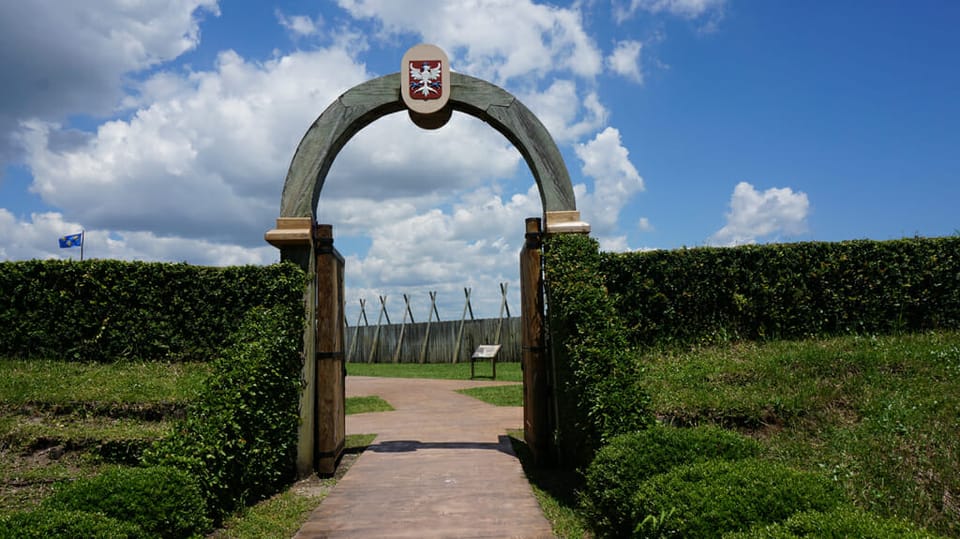
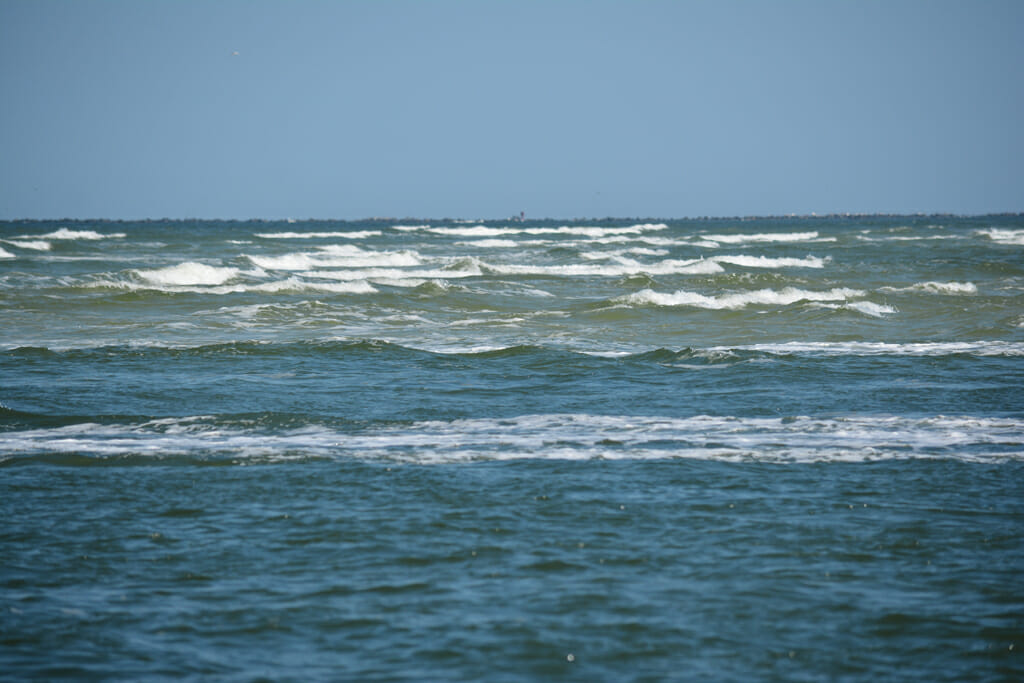
It was May 1562 when Jean Ribault directed his fleet to the mouth of a great river in the New World. Disembarking to scale a prominent bluff, he declared the land for France and the waterway "The River of May."
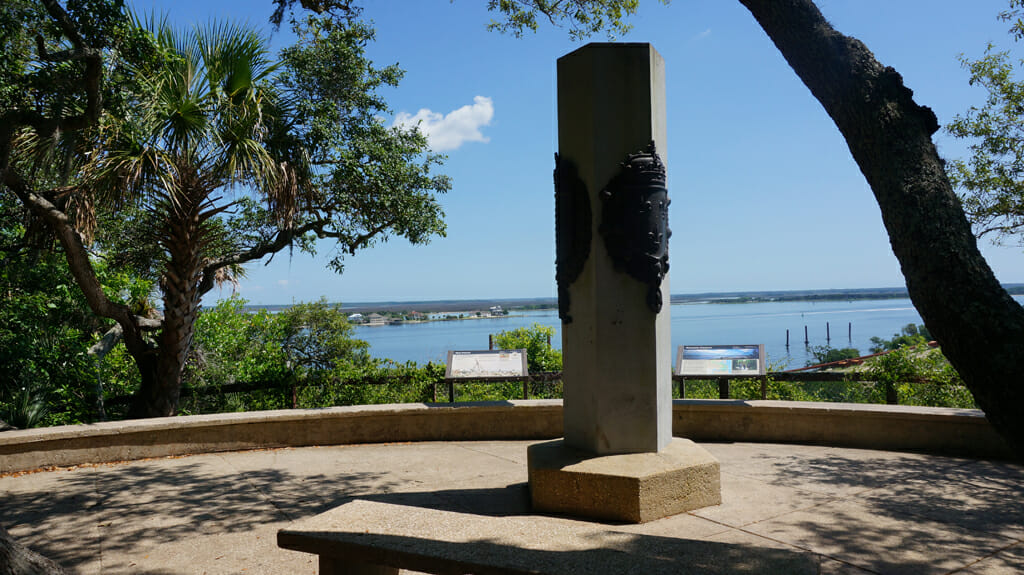
Ribault directed his men to erect a monument to commemorate the occasion. There was only one problem: the Spanish had already "discovered" Florida.
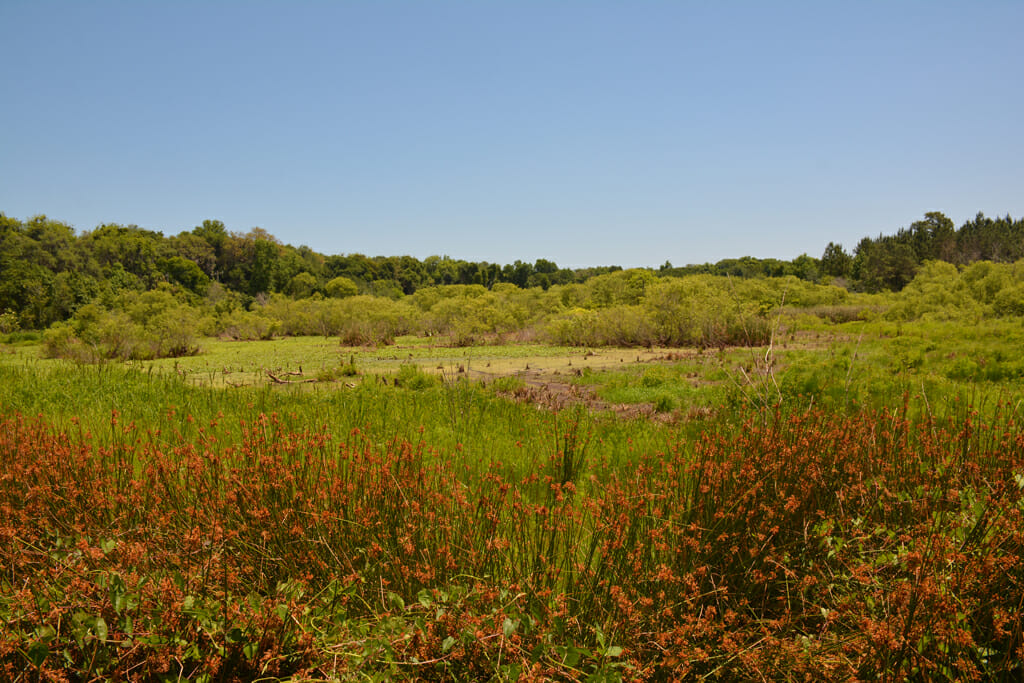
Constructing a village and fortress along the river, the French started their colony. While the Spanish had enslaved the native Timucua, the French befriended them. Who better to teach them the ways of the land?
With France and Spain jostling for control of this new land, things ended badly for "New France." Spanish troops crept up to the settlement and massacred most of the colonists. They did the same to shipwrecked French sailors off the St. Augustine coast. Only those professing the Catholic faith were spared.
Today, the River of May - the St. Johns - is greatly changed. Heavy industry forms a backdrop to the replicas of Fort Caroline and the Ribault Column, a national memorial to America's first French colony and part of the National Park Service.
Mayport Naval Station stands watch over the mouth of Florida's largest river. A shrimping fleet sails to sea within sight of the dunes. On a sunny day like today, locals flock to the beaches that flank the river's mouth.
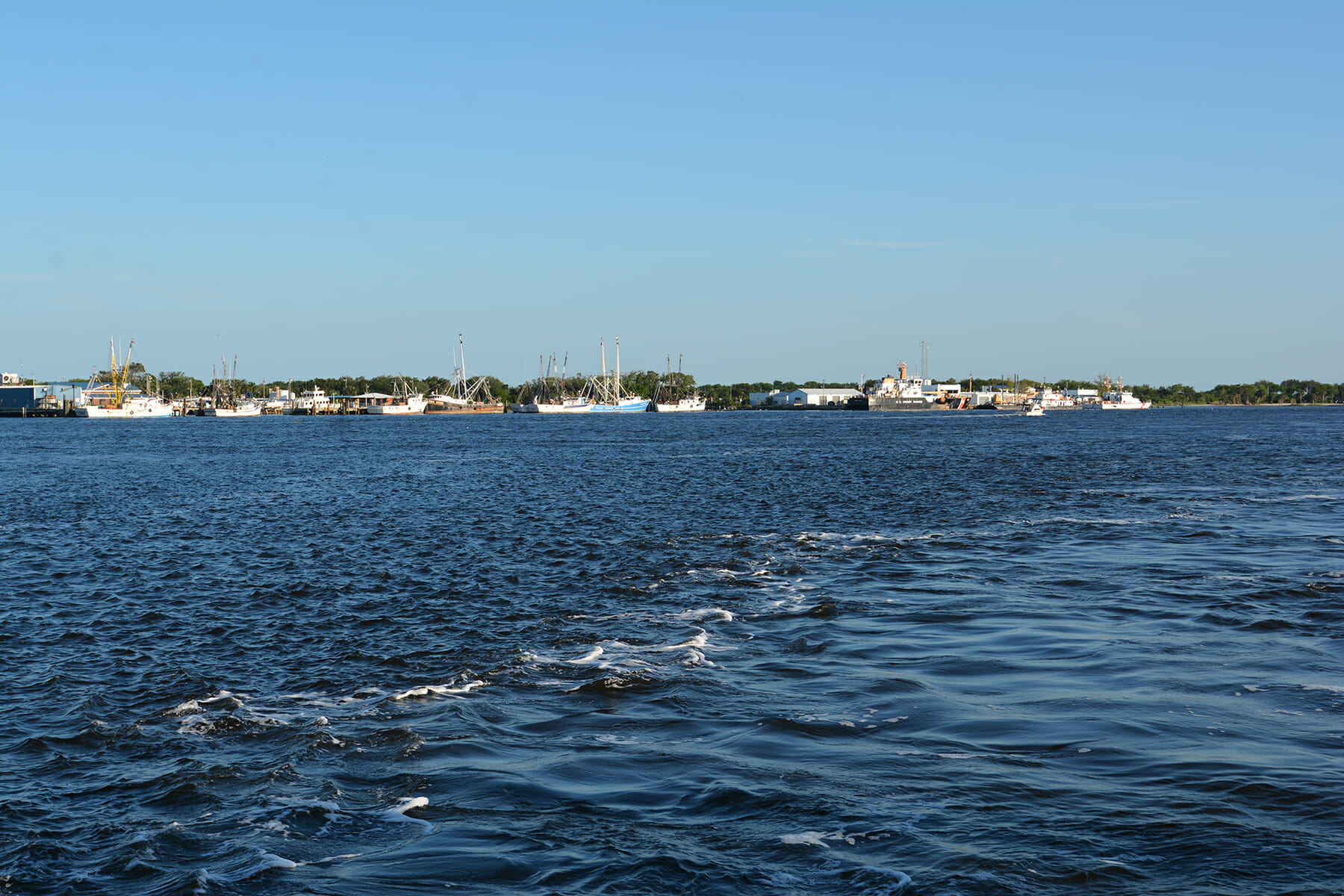
It was not the outcome Ribault expected when he pledged to found a colony in the New World. But at least amid the hubbub along the great river's shore, a memorial to those dreams remain.
Explore Florida's French History
 Sandra Friend & John Keatley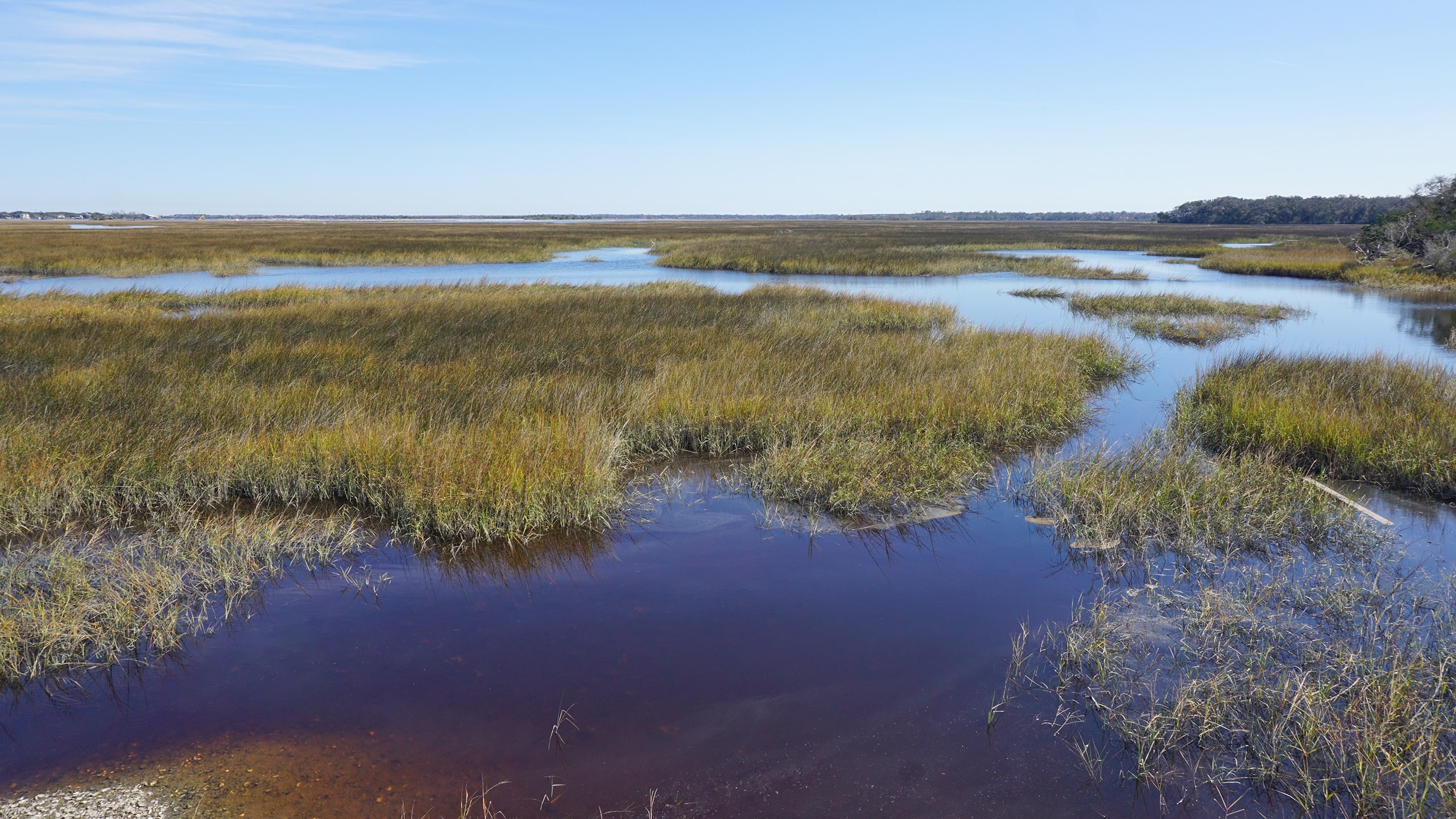
 Sandra Friend & John Keatley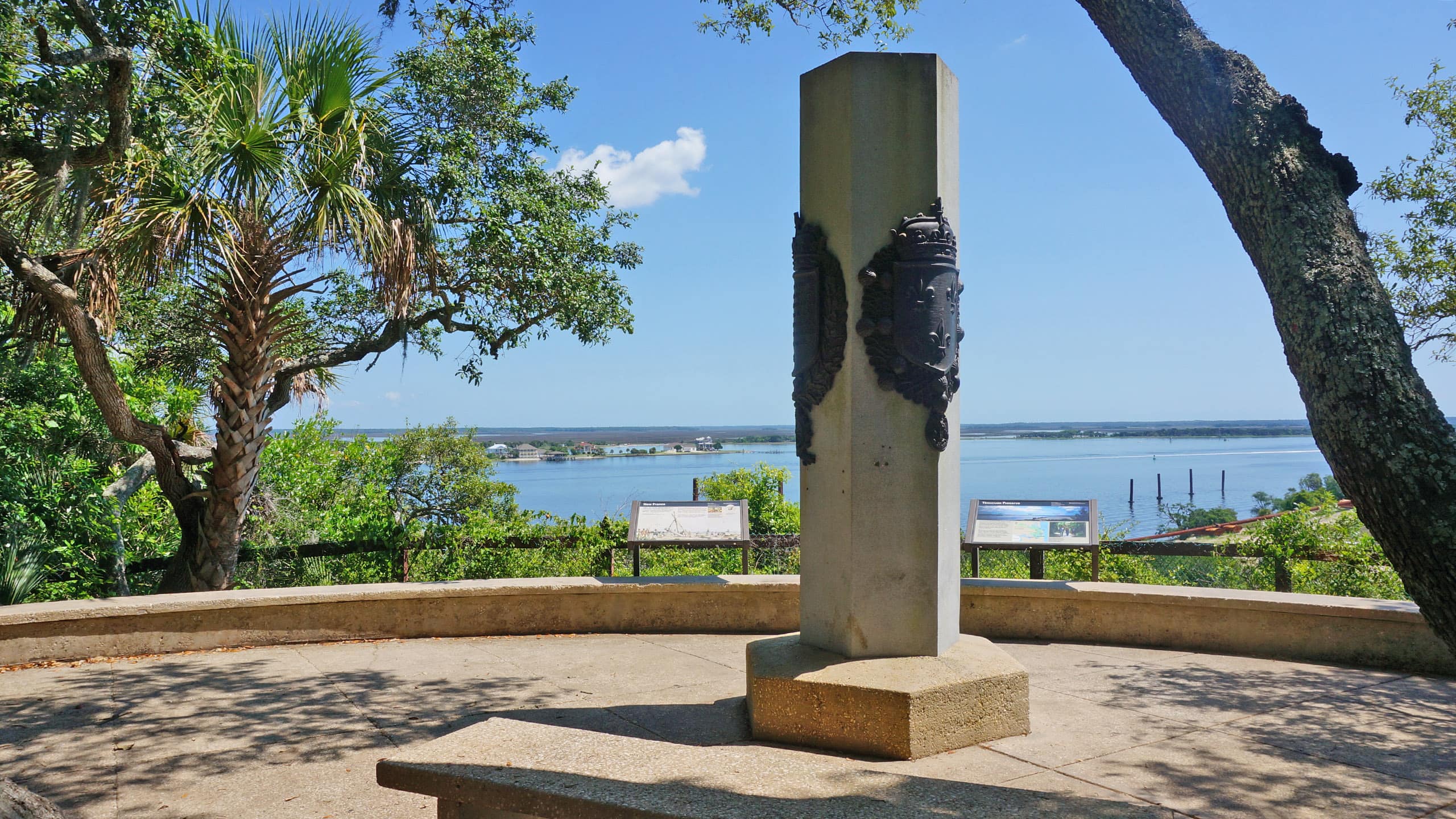
 Sandra Friend & John Keatley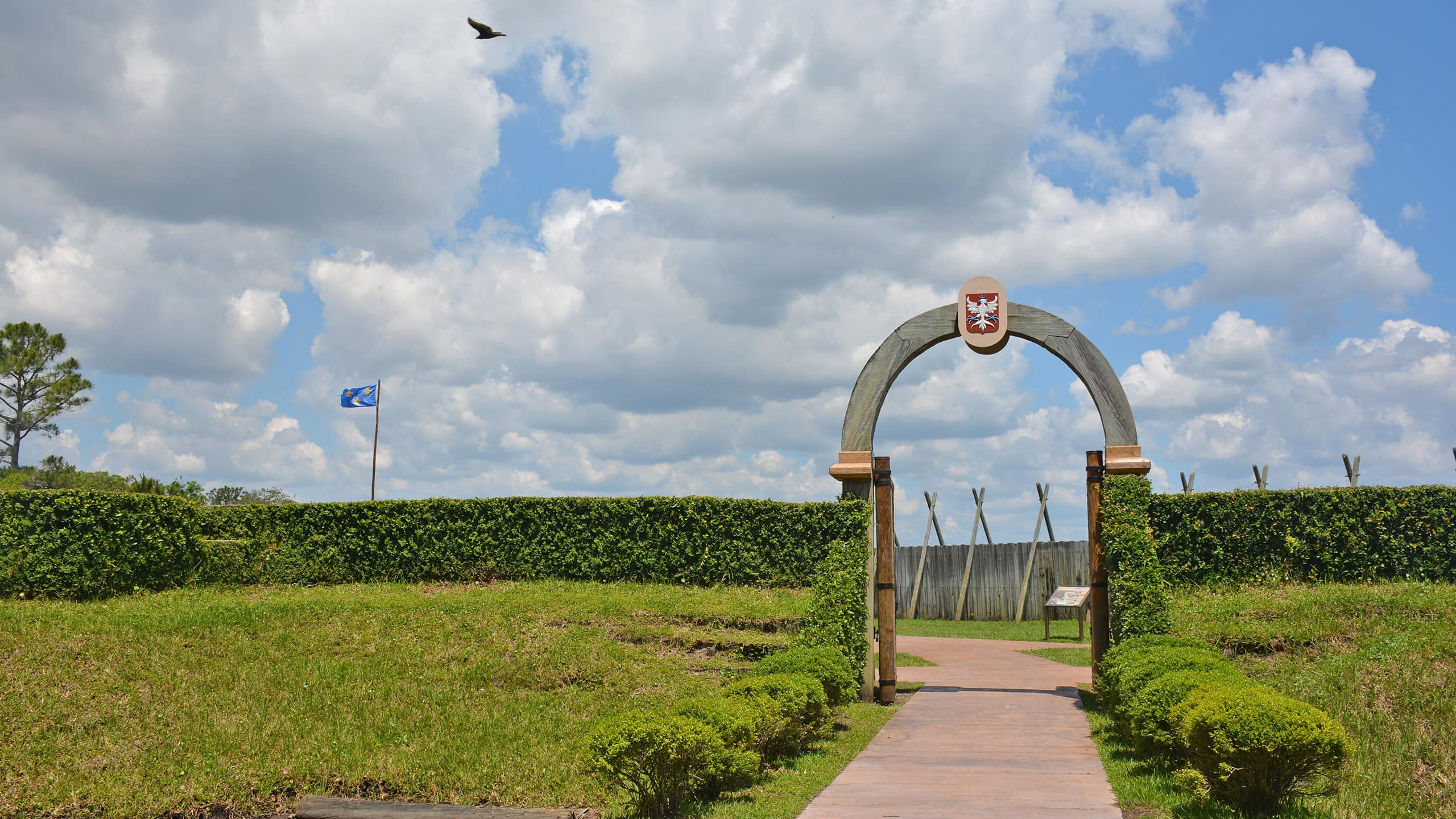
 Sandra Friend & John Keatley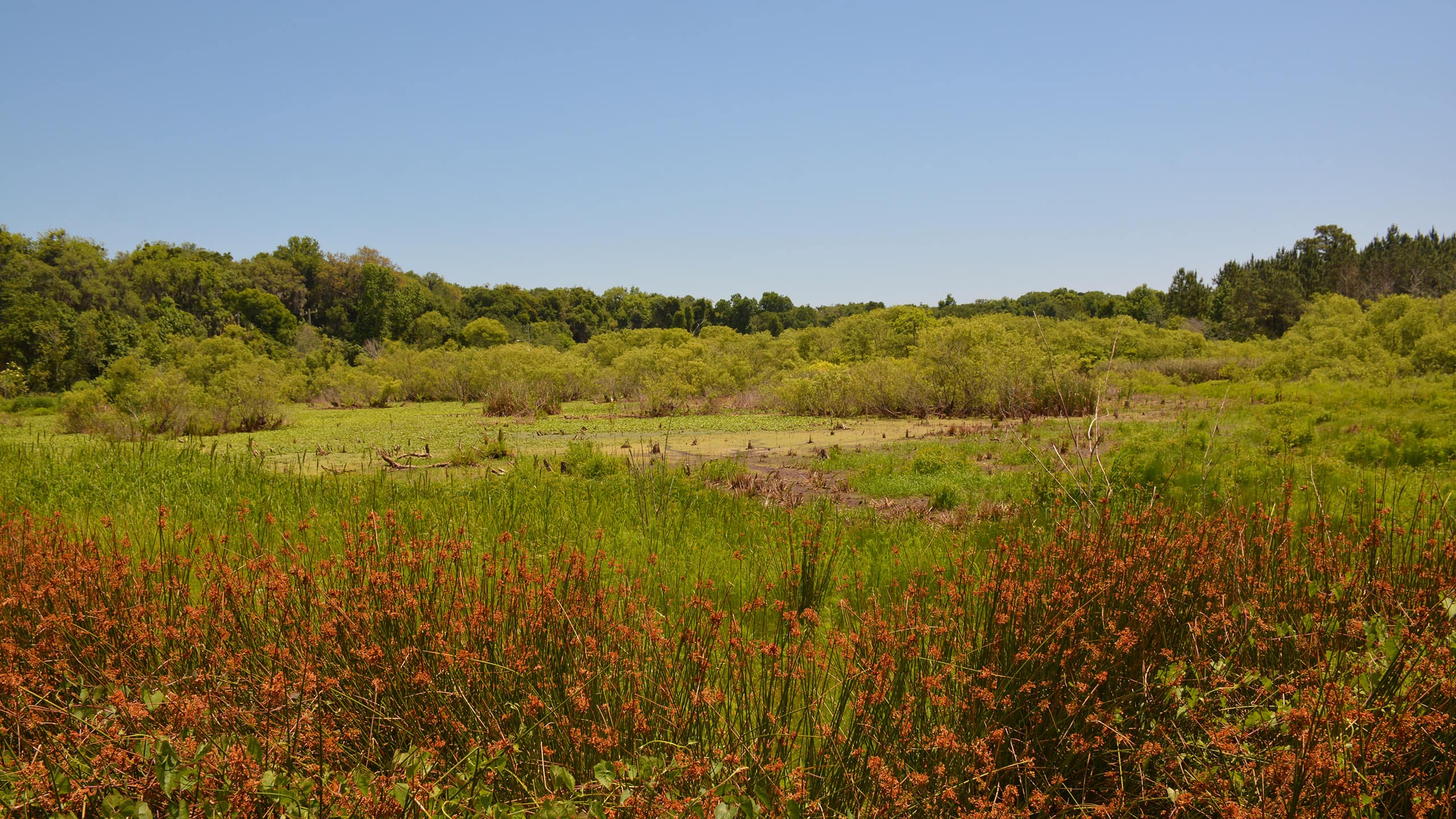
 Sandra Friend & John Keatley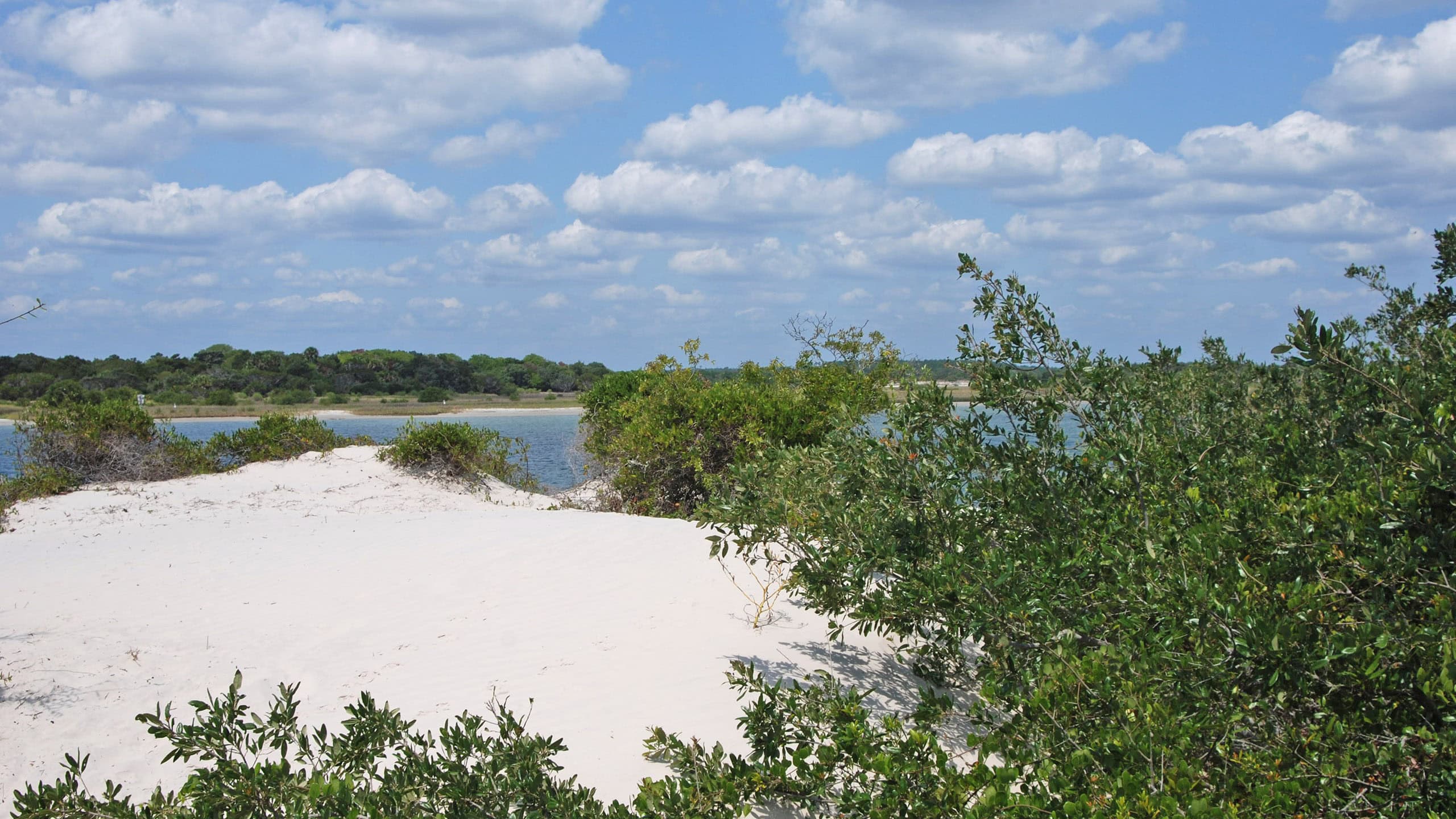

Member discussion