
Stalking the Wild Venus Flytrap
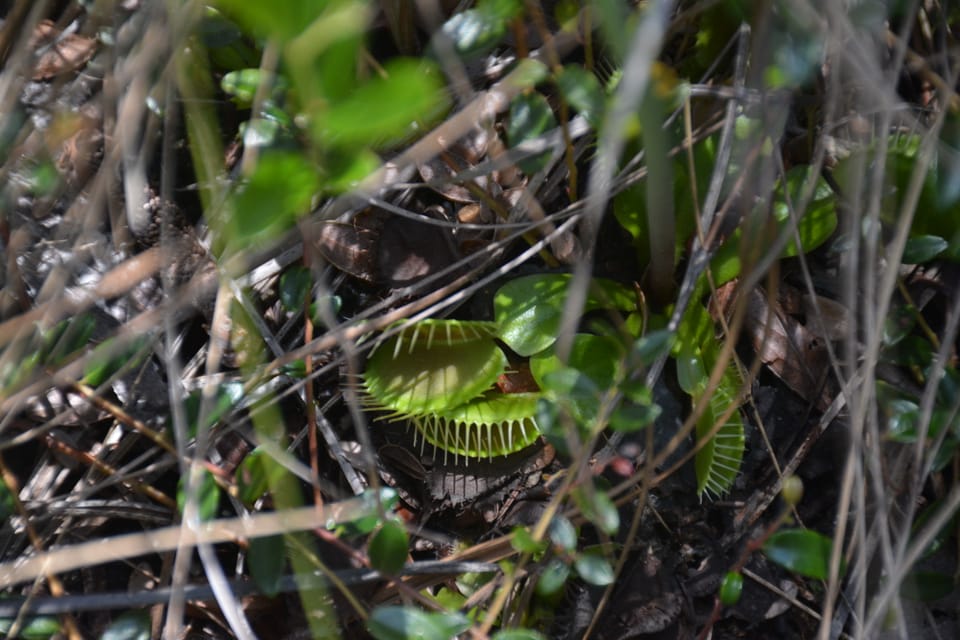
Today's mission: to find a Venus flytrap in its natural habitat. Without a guide.
Over our past few days in Wilmington, North Carolina we'd seen them in cultivated bog gardens, at Carolina Beach State Park (with help), and even on the counter at the Dairy Queen.
But I'd done my homework and learned The Nature Conservancy had two preserves to the southwest of the city, each devoted to protecting prime habitat for the Venus flytrap, so we knew we'd be hiking today.
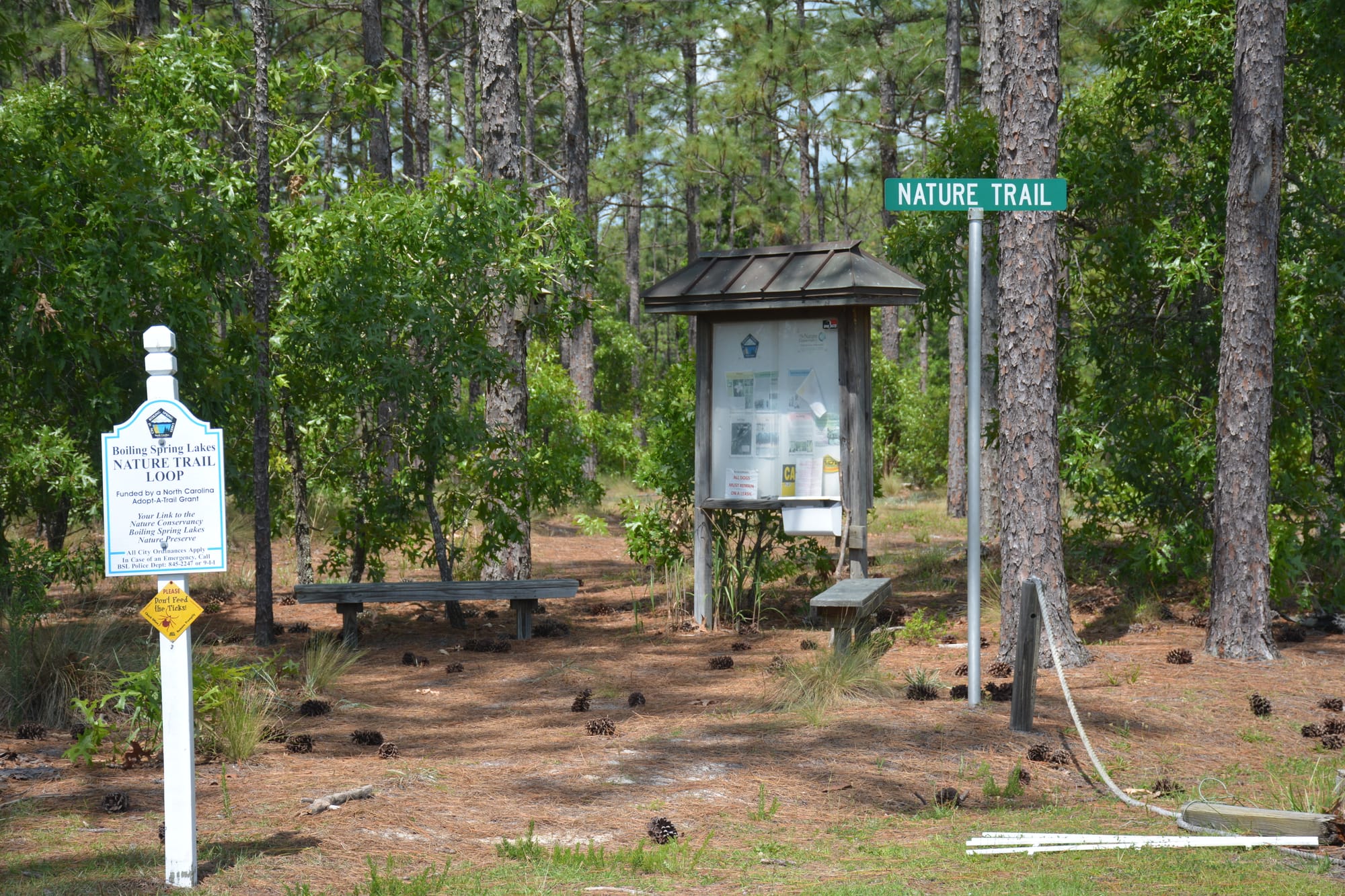
Or at least I knew. When we arrived at the parking area for Boiling Springs Lakes Preserve, it turned out to be a community center and disc golf. Since the map on the kiosk didn't show a scale or mileages, John thought it best to linger at the trailhead.
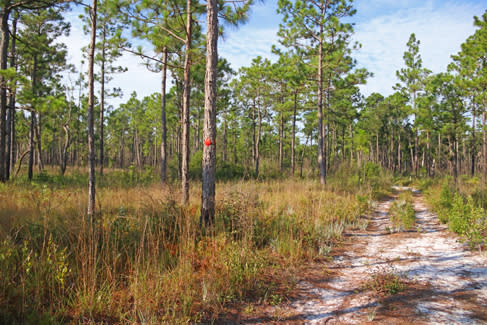
I'm sure he didn't expect to wait two hours. Not having a GPS with me - only a phone that could leave breadcrumbs for me - I headed off into the woods following the red diamonds. What surprised me is how much the woods looked like Blackwater River State Forest or Apalachicola National Forest.
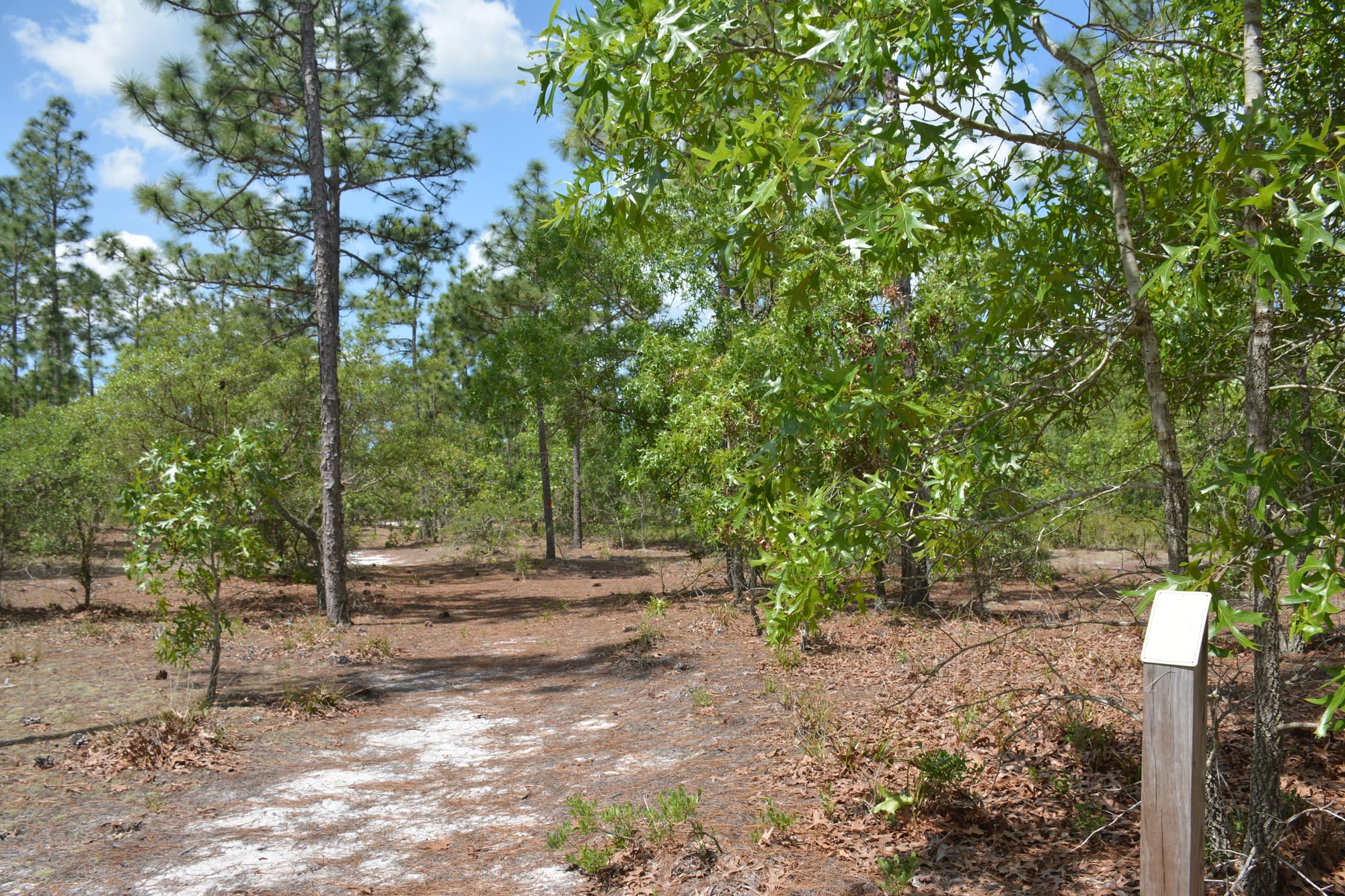
Dominated by sandhills and pine flatwoods, they had swamps in swales. These reminded me of the titi swamps of home but these were dense with sweetbay.
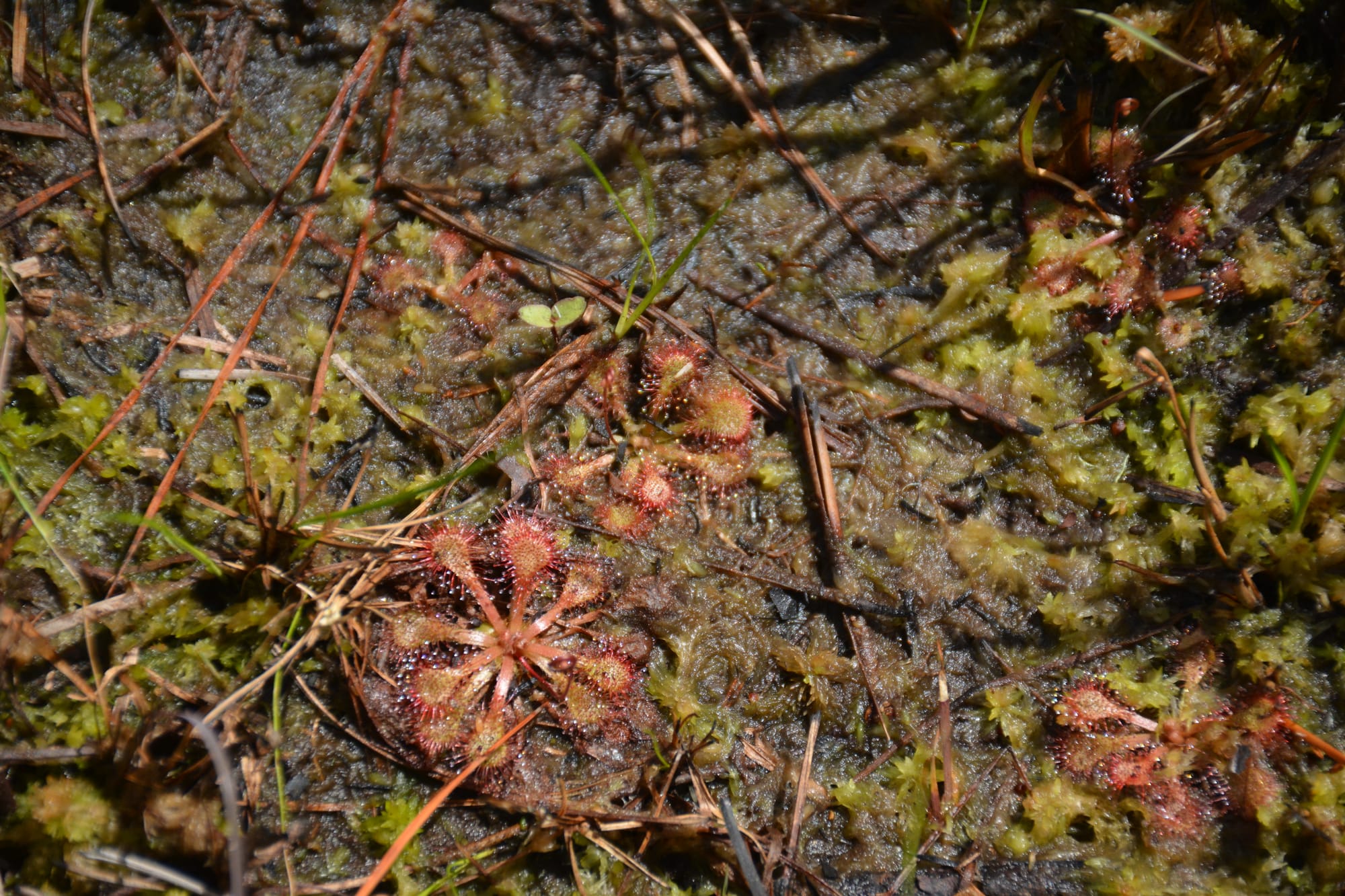
Every time I saw a social trail I'd wander off track, looking for carnivorous plants. No luck, until I saw a swale with large sundews. I later found a lonely trumpet pitcher plant by a tannic stream.
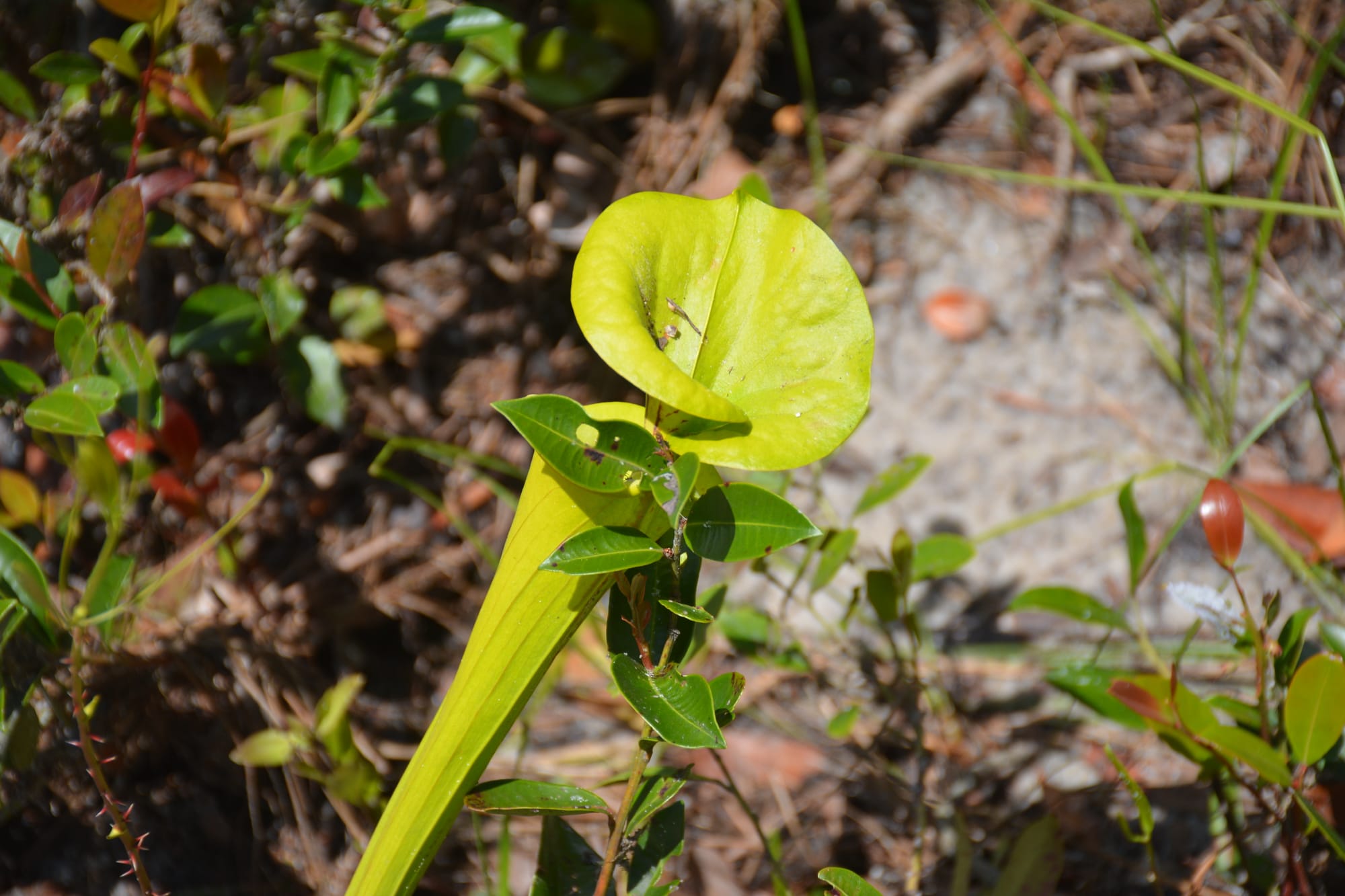
Fortunately, all streams were bridged. On the loop portion of the trail I saw a bench. Stopping for a drink, I thought "why else put a bench here than to call attention to this spot?"
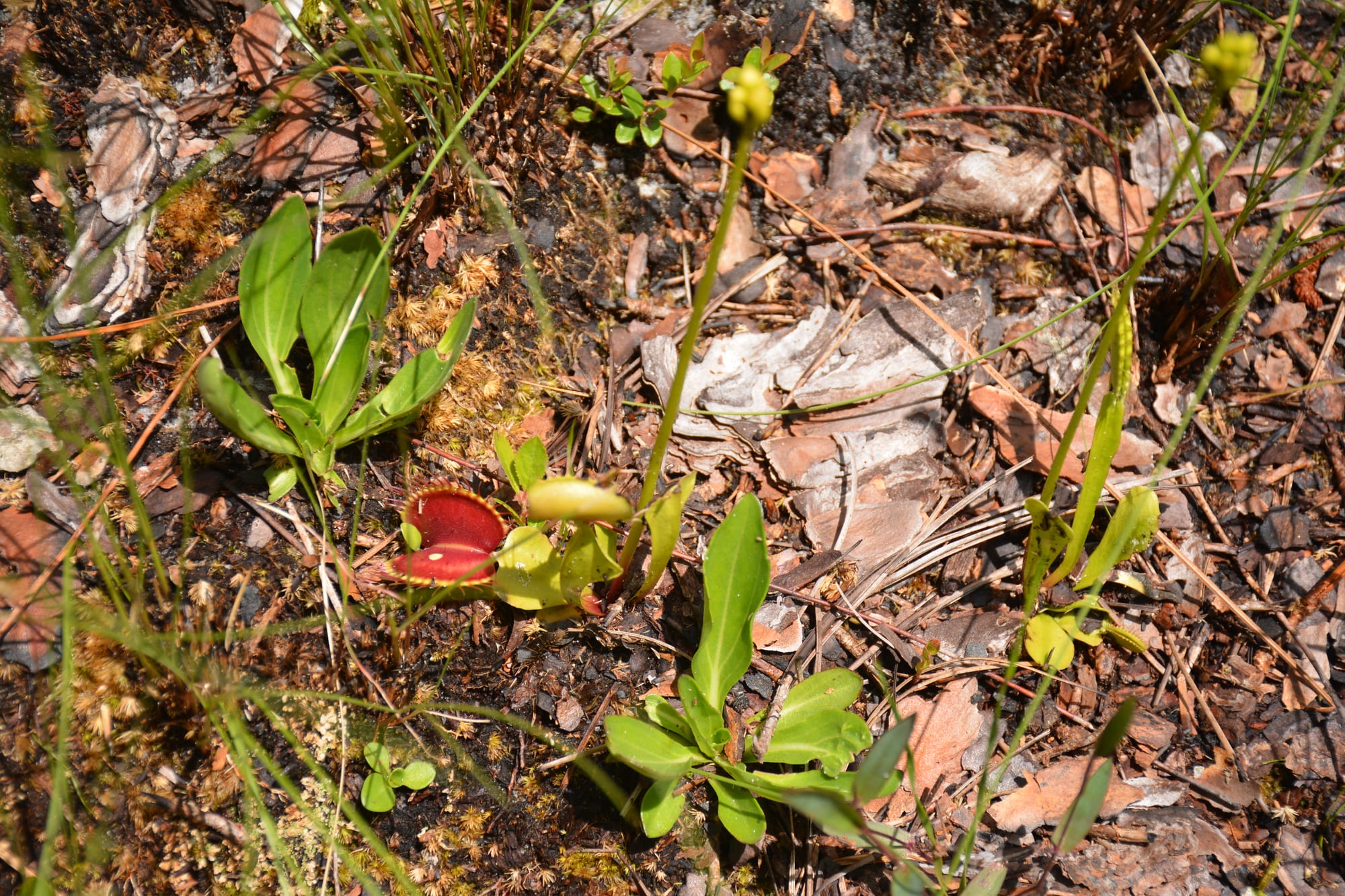
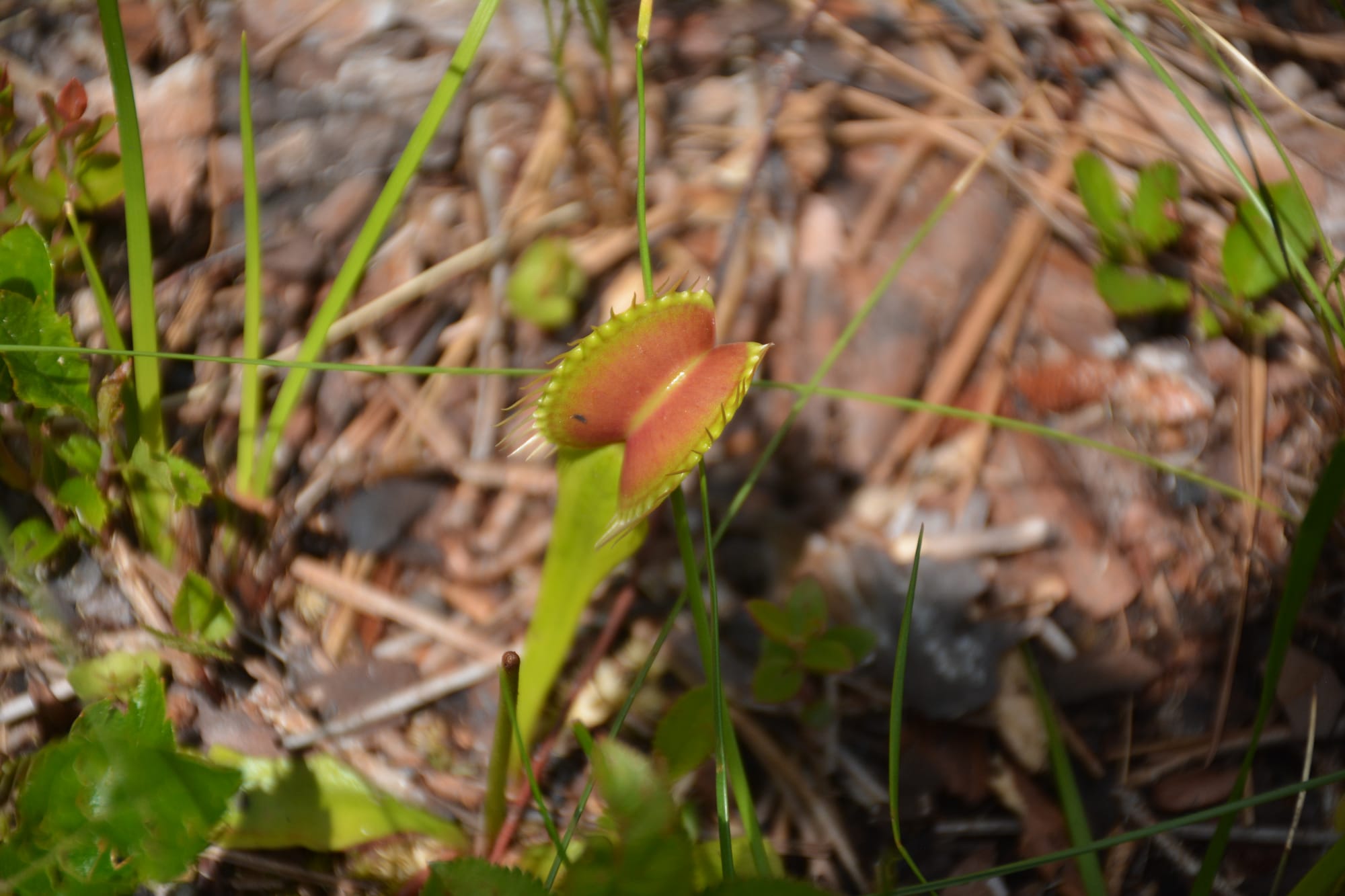
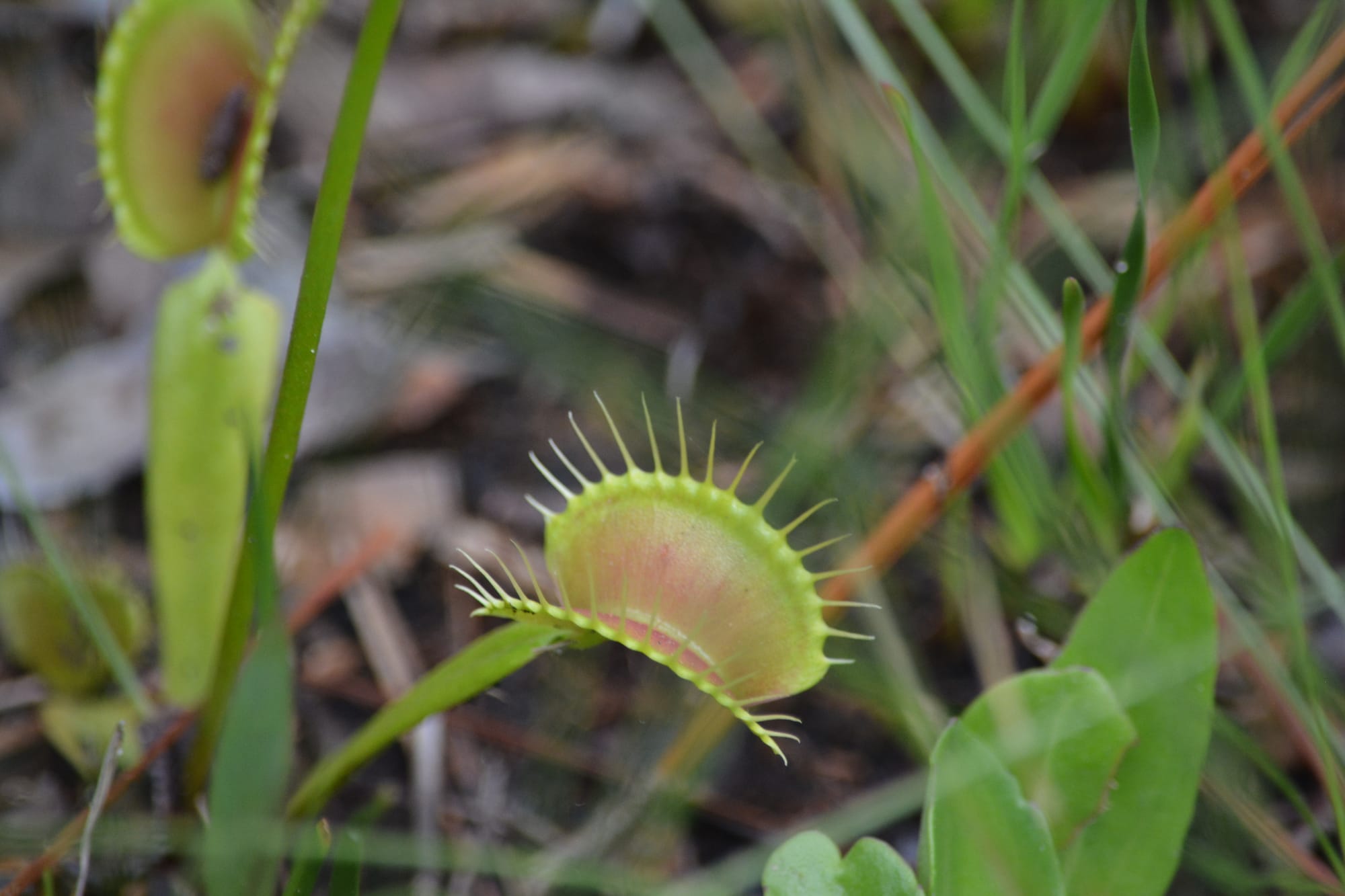
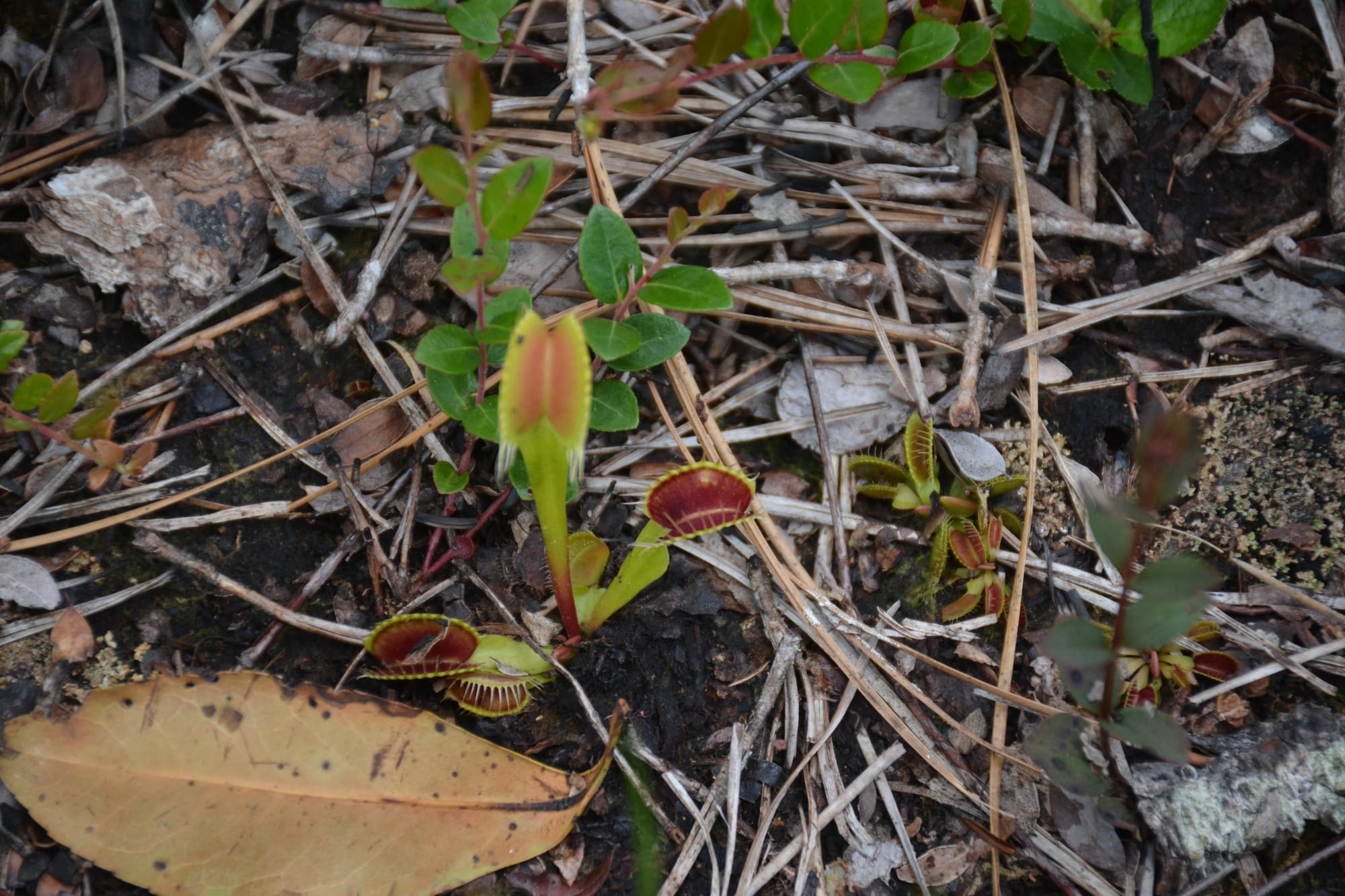
And within a few minutes, I'd found my first Venus flytraps in the wild.
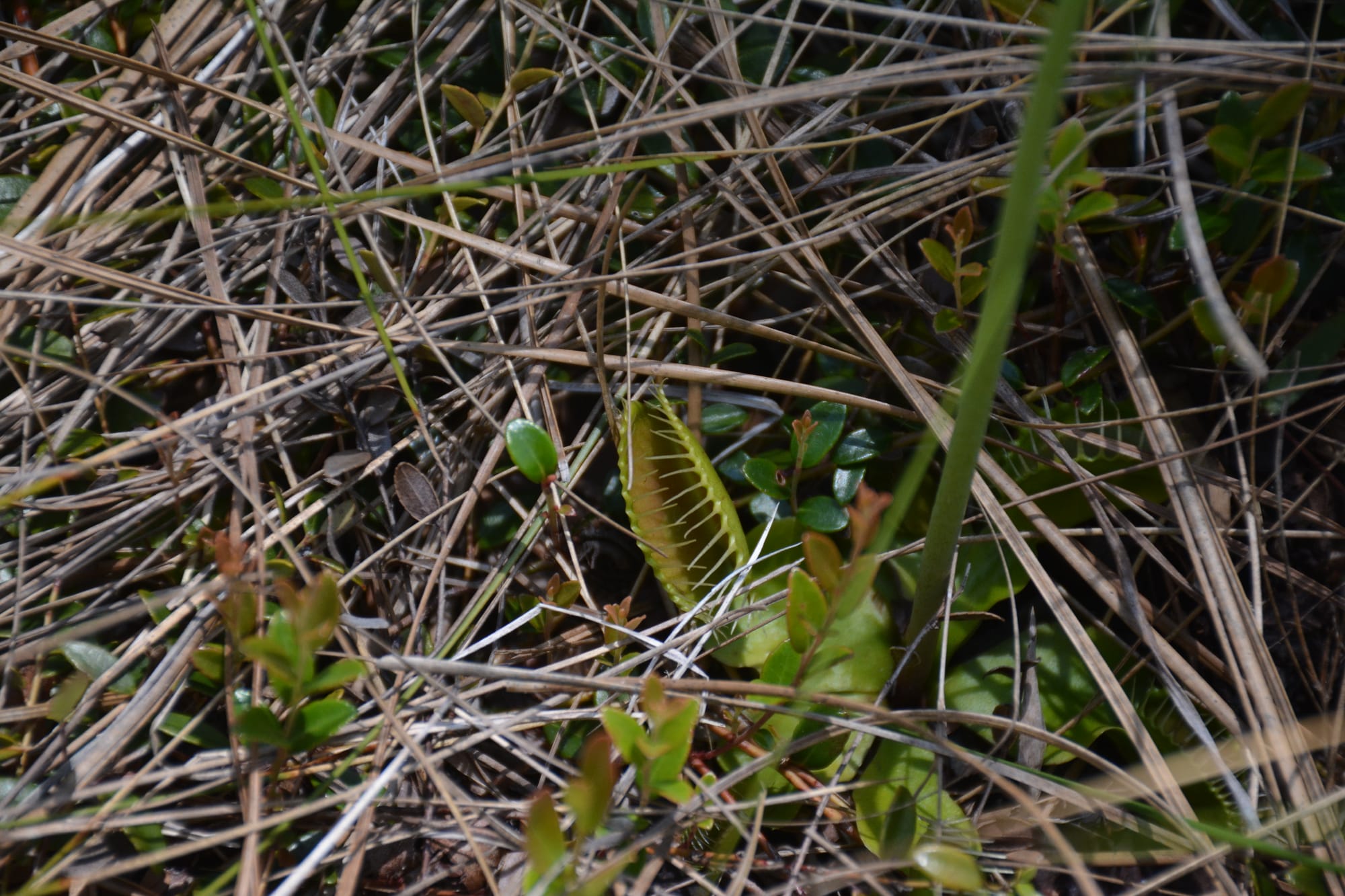
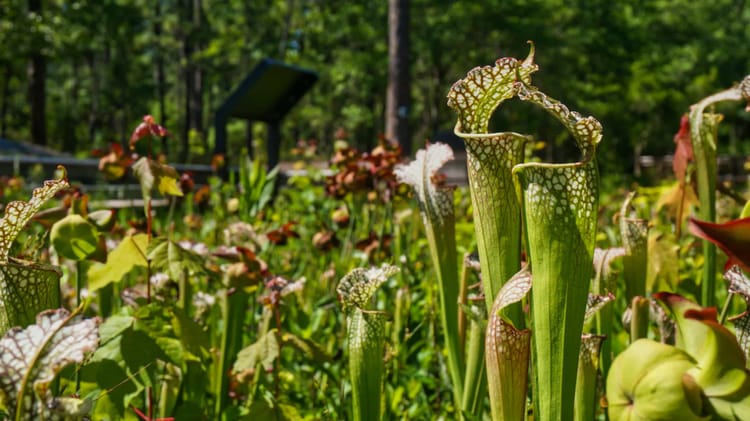
Returning through the bright white sand in the heat, I was glad to get back to the trailhead. John was in the shade by a bog garden with Venus flytraps and pitcher plants. He'd had an enjoyable time writing and watching wildlife.
Off we went to the next stop, Green Swamp Preserve. By the number of cars leaving as we arrived, there must have been a guided hike in the morning. Once again, the map had no scale and no mileages. I looked at the time.
"I'll give it an hour," I said, "but hiking this means we skip Lake Waccamaw."
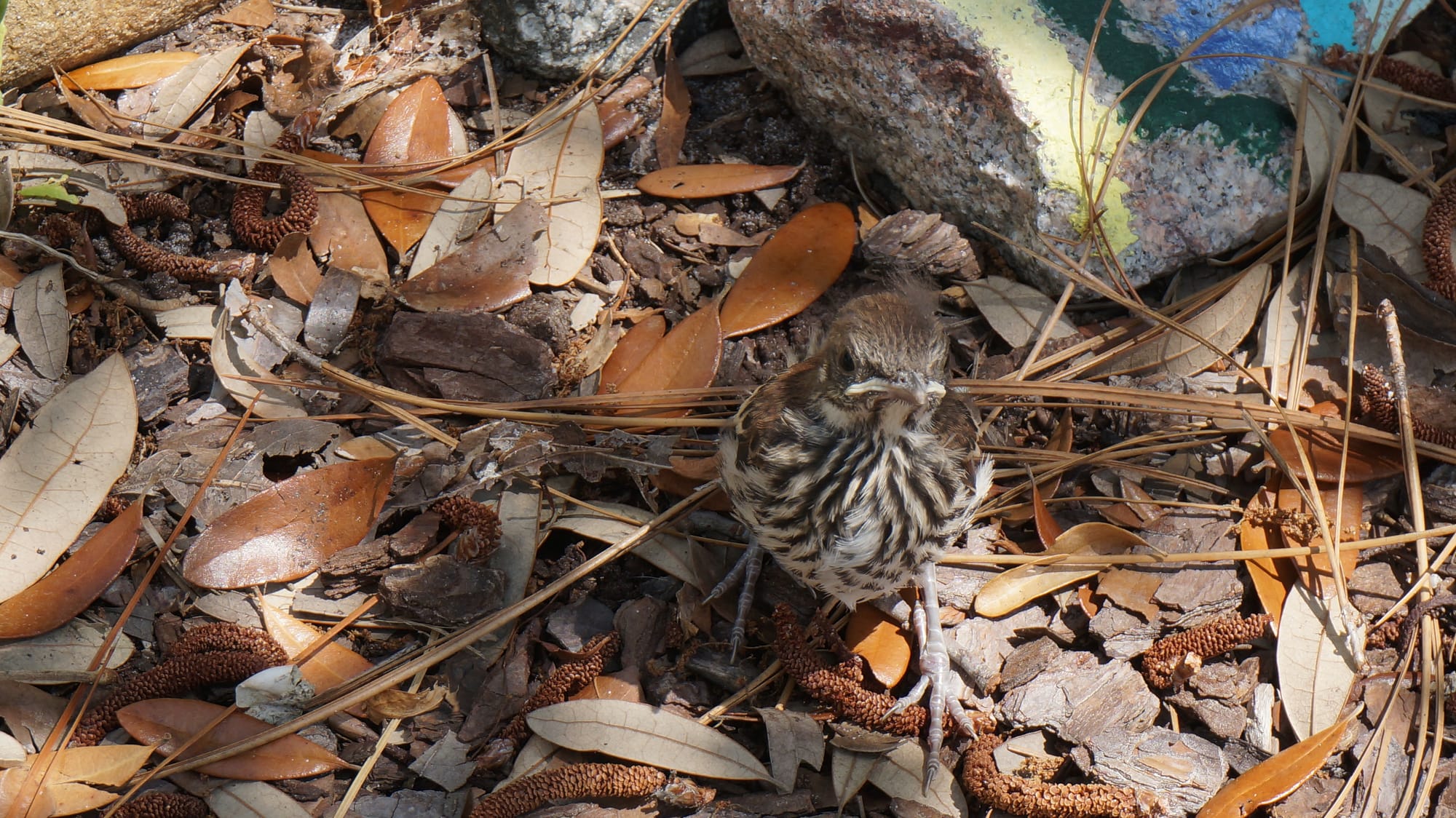
It turned out to be a wise choice. Within the first ten minutes I saw a red-cockaded woodpecker. A social path near the pocosin led me to a nice collection of bladderworts and sundews.
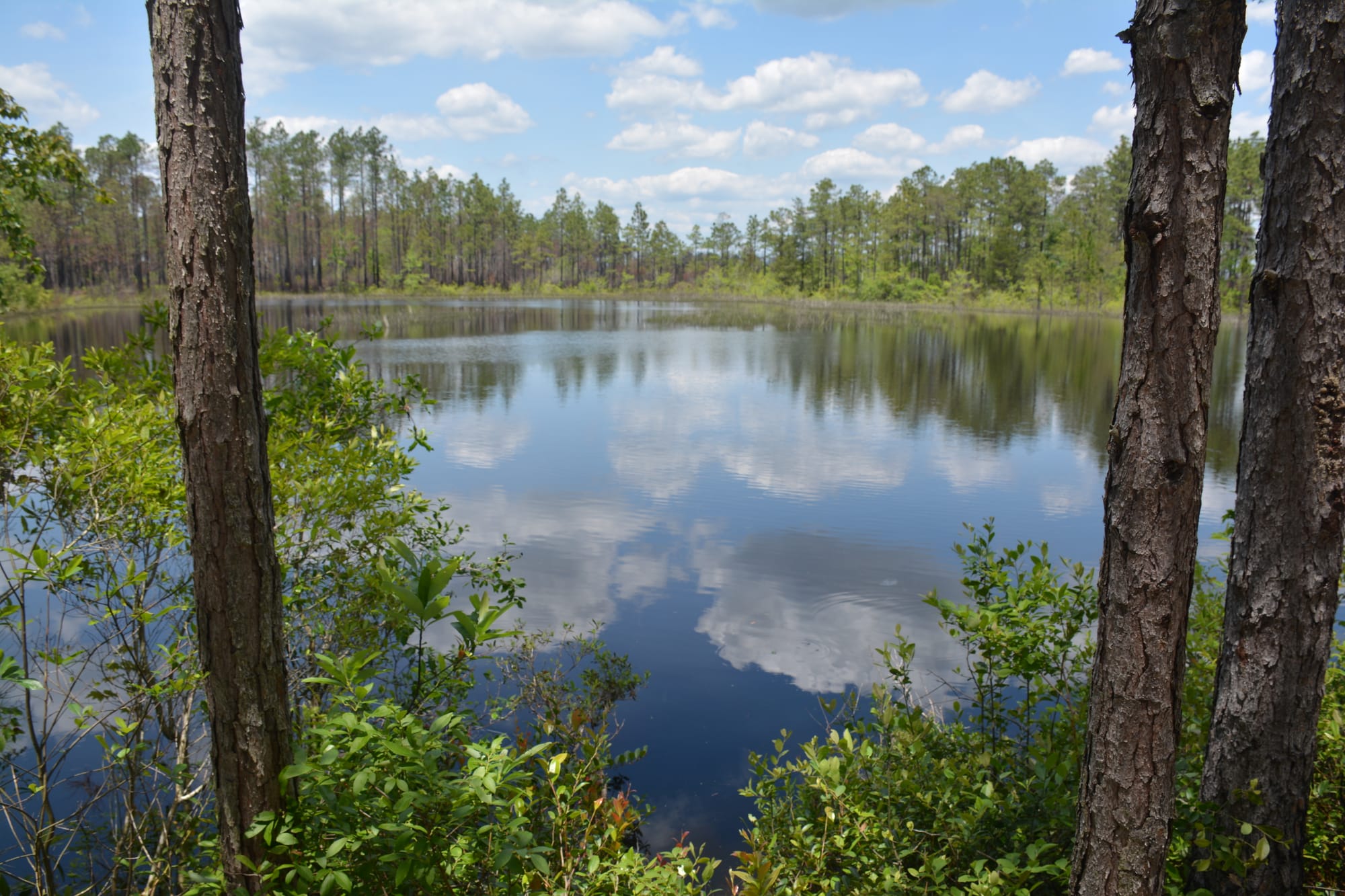
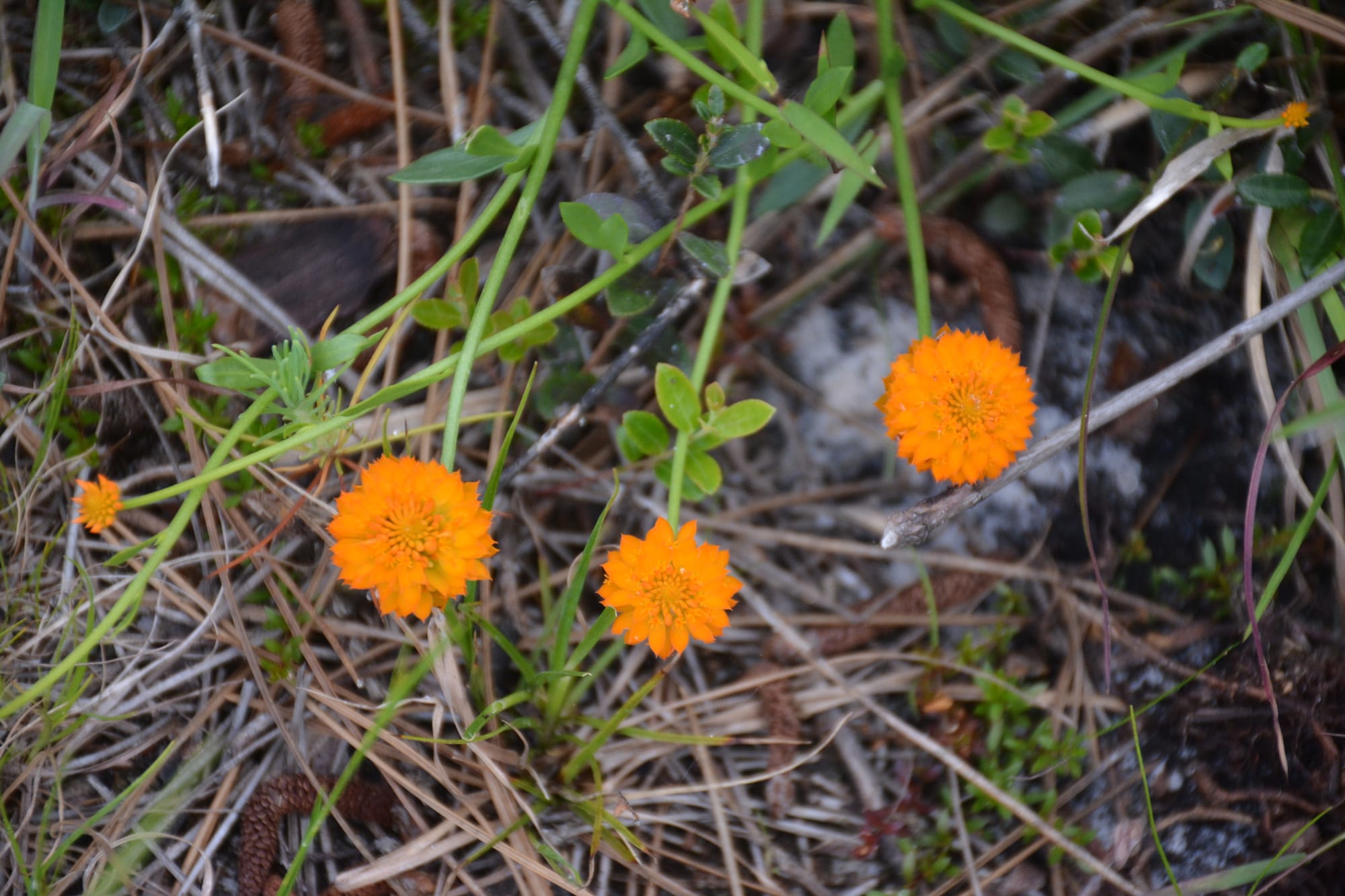
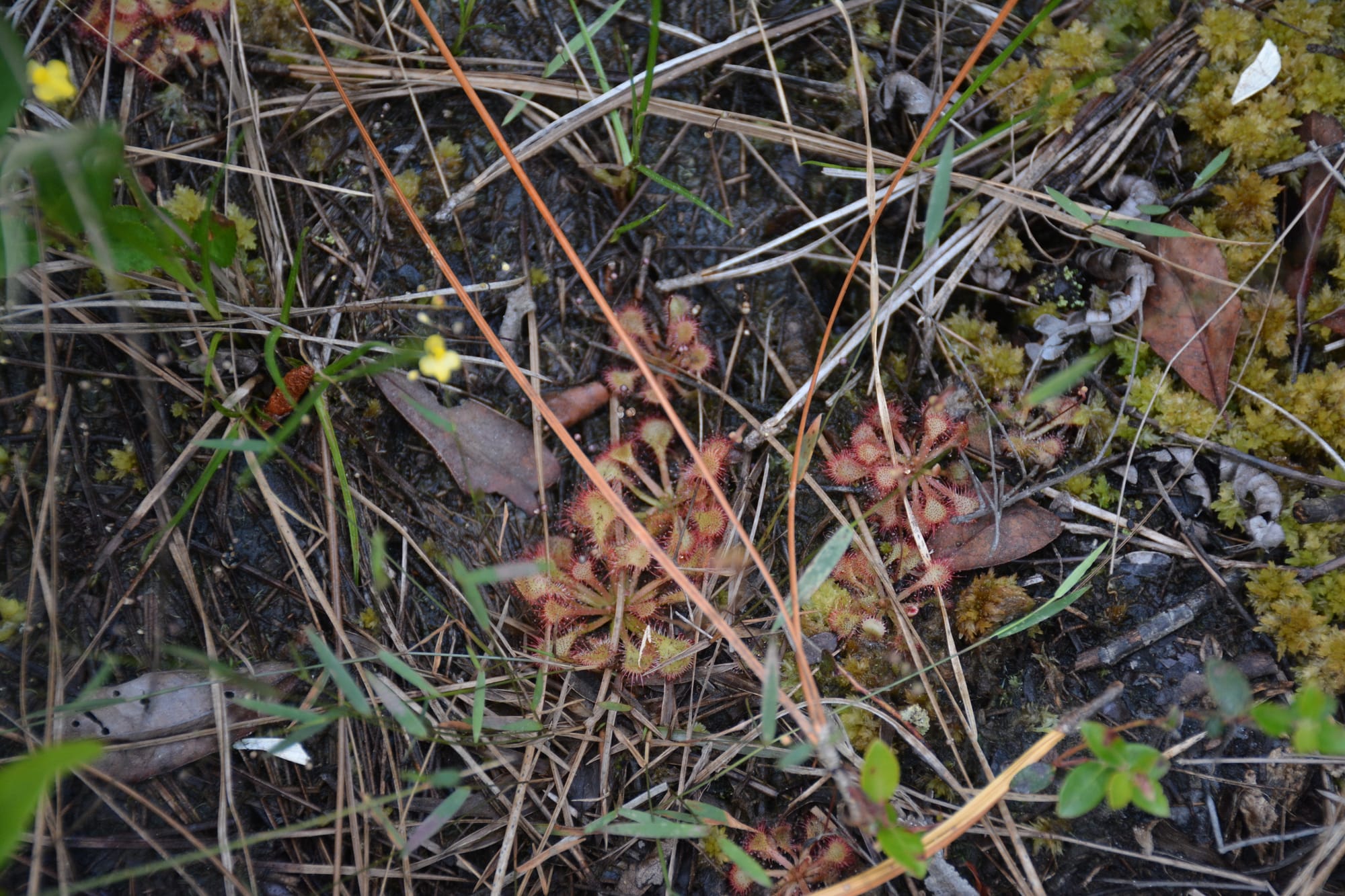
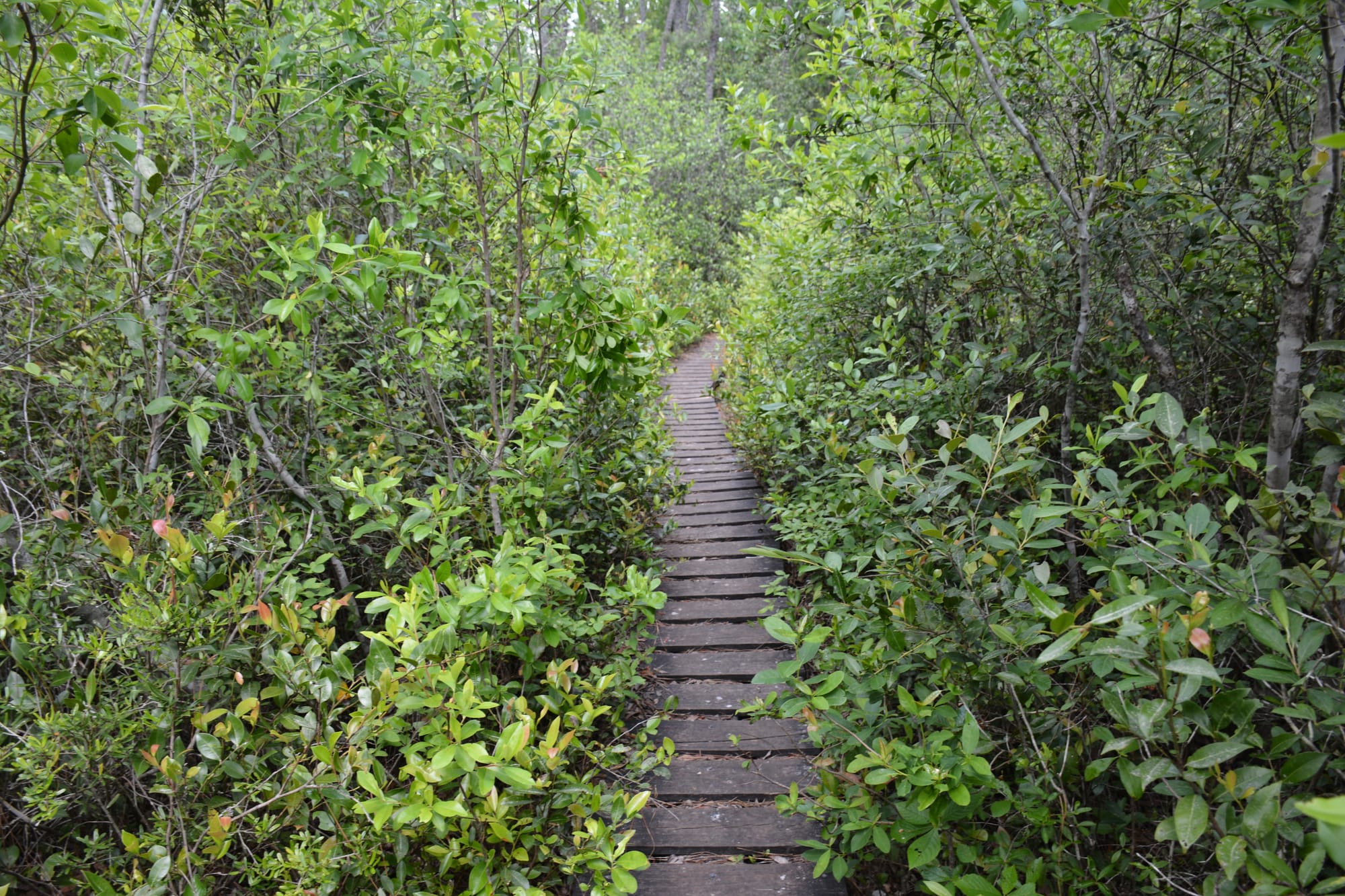
Crossing the first pocosin means traversing a rather long and narrow boardwalk with vegetation creeping across it. I certainly wish we had more of these in the titi swamps of the Apalachicola! The insects are quite voracious in the pocosin.
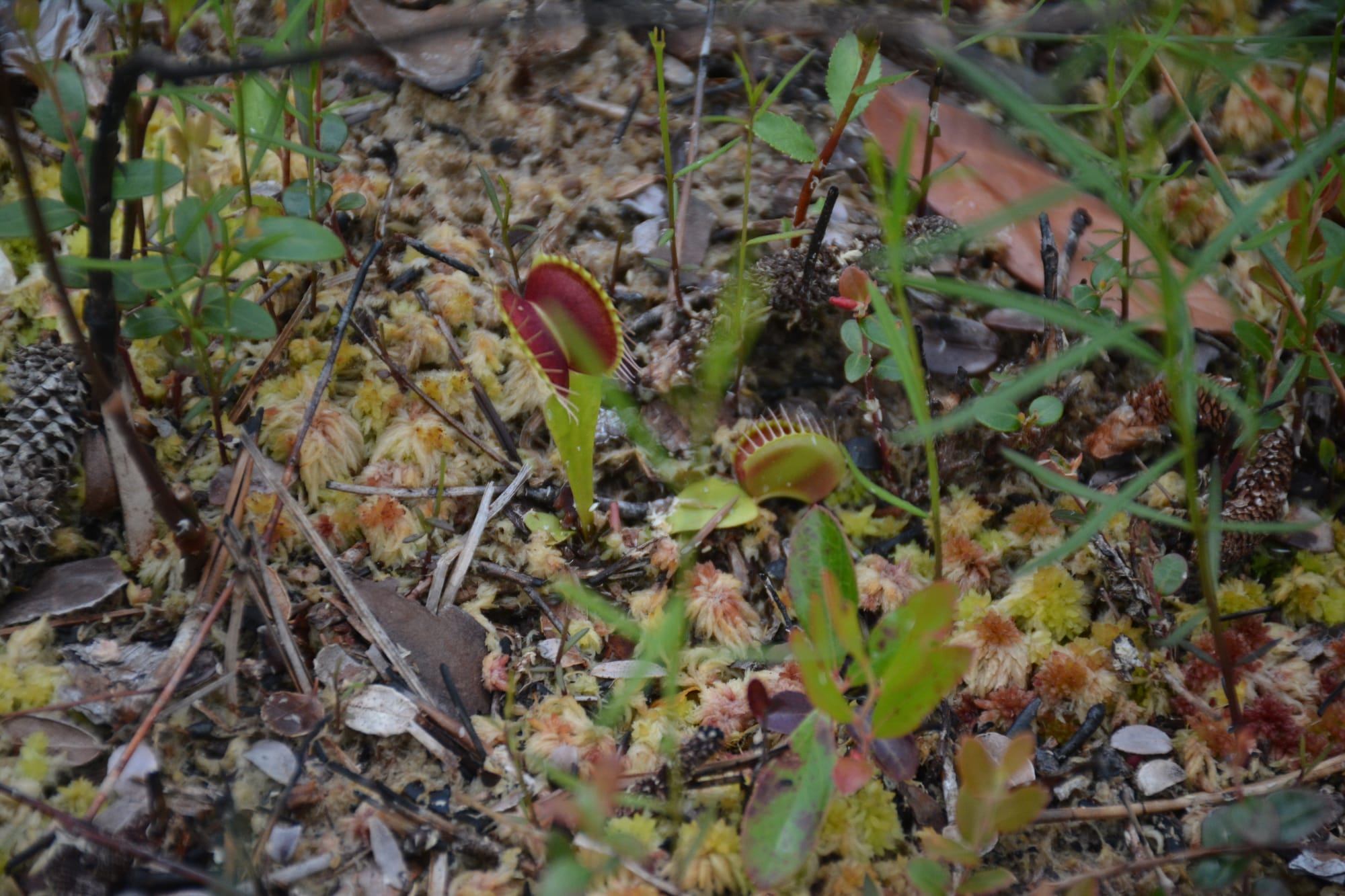
Which is perhaps why, on the other side, the pine flatwoods host a bounty of sundews and Venus flytraps. And I do mean a bounty. Hundreds, perhaps thousands. All staking their tiny claims to a sliver of acidic ground.
The trail continued on into the distance, but this little corner of Shoestring Savanna was good enough for me. We now know that Venus flytraps, that rarest of wild carnivorous plants, are still flourishing in the wild in their own native habitat, thanks to The Nature Conservancy. And that's a good thing.
Explore on your Own
Hikers should tread with care. Do not remove plants. Theft of Venus flytraps from both public and private lands is a felony in North Carolina.

 Debbie Crane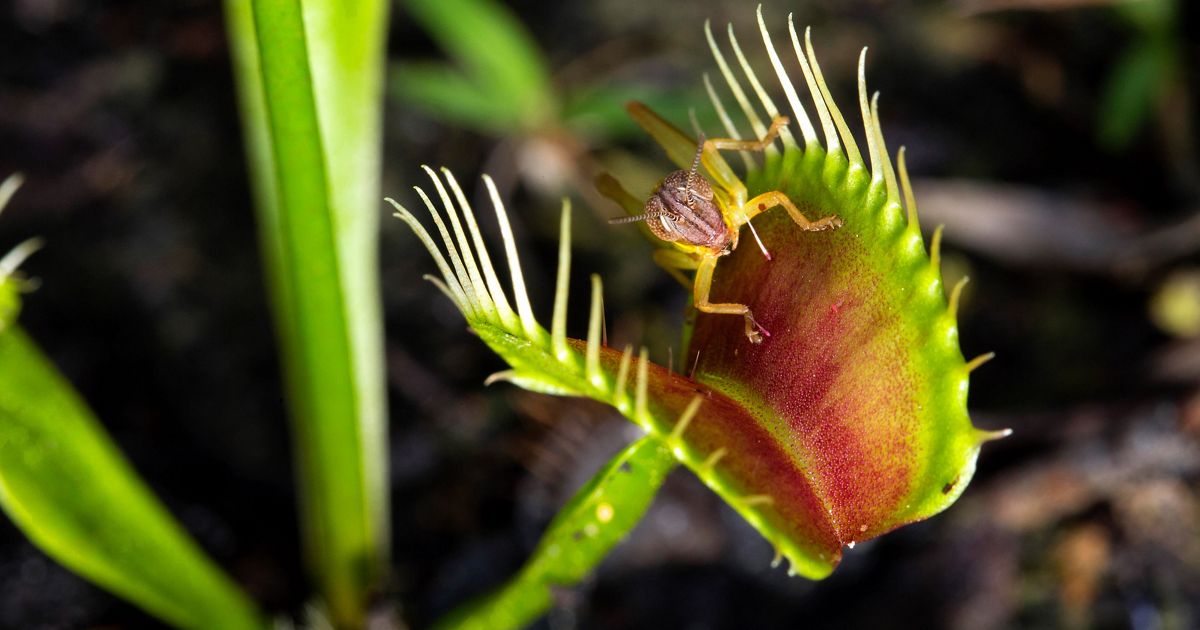
Member discussion